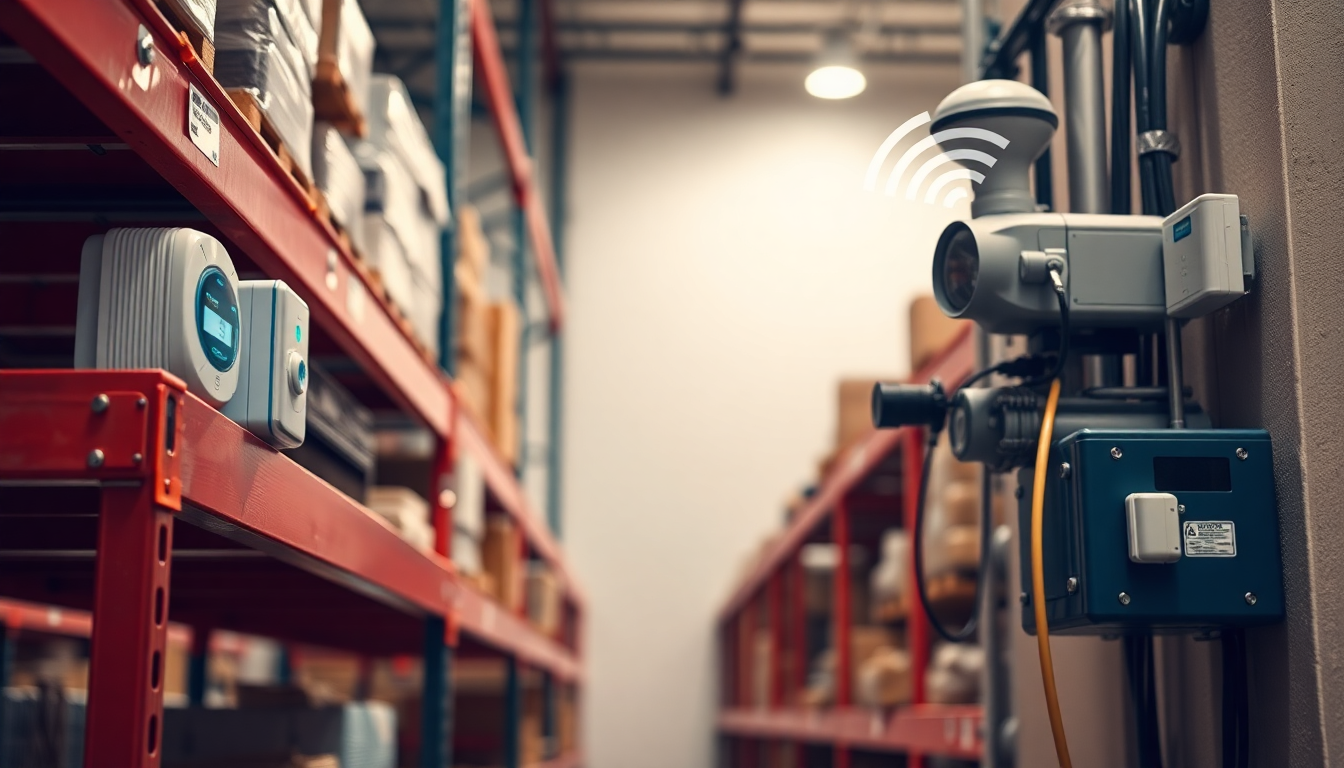
What is IoT and why it matters to your work
The Internet of Things refers to physical devices, machinery and sensors that collect data and communicate over networks without human intervention at each step. A temperature sensor in a warehouse, a pressure gauge on industrial equipment, a motion detector in a building, or a GPS tracker on a delivery vehicle are all IoT devices.
For organisations across sectors, IoT creates three core benefits. First, it captures real-time data from the physical world. Second, it enables faster decision-making because information flows continuously rather than being gathered manually. Third, it reduces downtime and waste by detecting problems early. In construction, IoT monitors equipment health; in energy, it tracks consumption and faults; in agriculture and food production, it ensures quality and compliance.
How IoT systems work: the basic building blocks
An IoT system has four main components:
- Sensors and devices. These measure temperature, humidity, pressure, motion, light, sound or other variables relevant to your operation. They are often small, low-power and designed to work in harsh environments.
- Connectivity. Data from sensors travels across networks. Common options are WiFi, cellular (4G/5G), LoRaWAN (for long-range, low-power needs) and Bluetooth. The choice depends on distance, power constraints and data volume.
- Data processing and storage. Raw sensor data reaches a local gateway, edge device, cloud server or combination of these. Processing can happen at the edge (closer to the sensor) for speed, or in the cloud for scale and analytics.
- Applications and insights. Software interprets the data, triggers alerts, logs trends and feeds dashboards or reports that inform operational decisions.
Real-world examples: where IoT adds value
A food production facility uses temperature and humidity sensors on storage units and conveyors to maintain HACCP compliance and prevent spoilage. Alerts notify staff if conditions drift, reducing waste and recall risk.
A construction site deploys vibration sensors on cranes and movement sensors on heavy machinery to predict maintenance needs before failures occur, keeping schedules on track and workers safe.
A logistics company attaches GPS and impact sensors to shipments, so clients see real-time location and receive warnings if goods are dropped or exposed to temperature swings.
A utility company uses smart meters and grid sensors to detect power losses and balance demand, improving reliability and reducing energy theft.
IoT and cybersecurity: what you need to know
Because IoT devices sit on networks and control or monitor physical systems, security matters. A compromised sensor or gateway could expose sensitive data or, in worst cases, disrupt operations. Best practices include:
- Changing default passwords and using strong credentials for all devices and accounts.
- Keeping firmware and software updated with the latest security patches.
- Isolating IoT networks from general office networks where possible, or using firewalls and VPNs to segment traffic.
- Encrypting data in transit and at rest.
- Monitoring device activity for unusual patterns or connections.
If your role involves IoT systems, basic cybersecurity awareness training is invaluable. Apexis Learn offers cybersecurity fundamentals courses tailored to non-IT teams, helping you understand threats, protocols and your part in keeping systems safe.
IoT and data governance
IoT generates large volumes of data. Organisations must decide what to keep, how long to store it, who can access it and how to comply with privacy laws or industry standards like ISO 45001 or food safety regulations. Data governance frameworks ensure IoT data is reliable, traceable and protected. If you manage data quality or compliance, understanding data lineage and retention policies is essential for IoT implementations.
Edge computing and IoT
Not all IoT data needs to travel to the cloud. Edge computing processes data on local devices or gateways, reducing latency and bandwidth costs. This is critical for time-sensitive applications: a safety sensor on machinery must trigger a shutdown in milliseconds, not seconds. Many organisations combine edge processing for immediate responses with cloud analysis for deeper patterns and long-term trends.
Getting started with IoT in your role
You do not need to be an engineer to work with IoT. Operations managers benefit from understanding how sensors support predictive maintenance. Safety and compliance teams use IoT data to monitor hazards. Finance teams see how IoT reduces waste and energy costs. Project managers track equipment and personnel via IoT-enabled location and status updates.
Start by identifying what physical data matters to your organisation’s operations or risks. What would you measure if you could do so continuously and cheaply? That often points to an IoT opportunity. Then learn the basics of how those devices connect and how the data flows, so you can work confidently with technical teams and make informed decisions about implementations.
Leave a Reply