What is edge computing?
Edge computing processes data at or near the source, rather than sending everything to a distant data center. Instead of all processing happening in the cloud, computation happens on local devices, gateways, or servers at the edge of the network, closer to sensors, machines, or end-users.
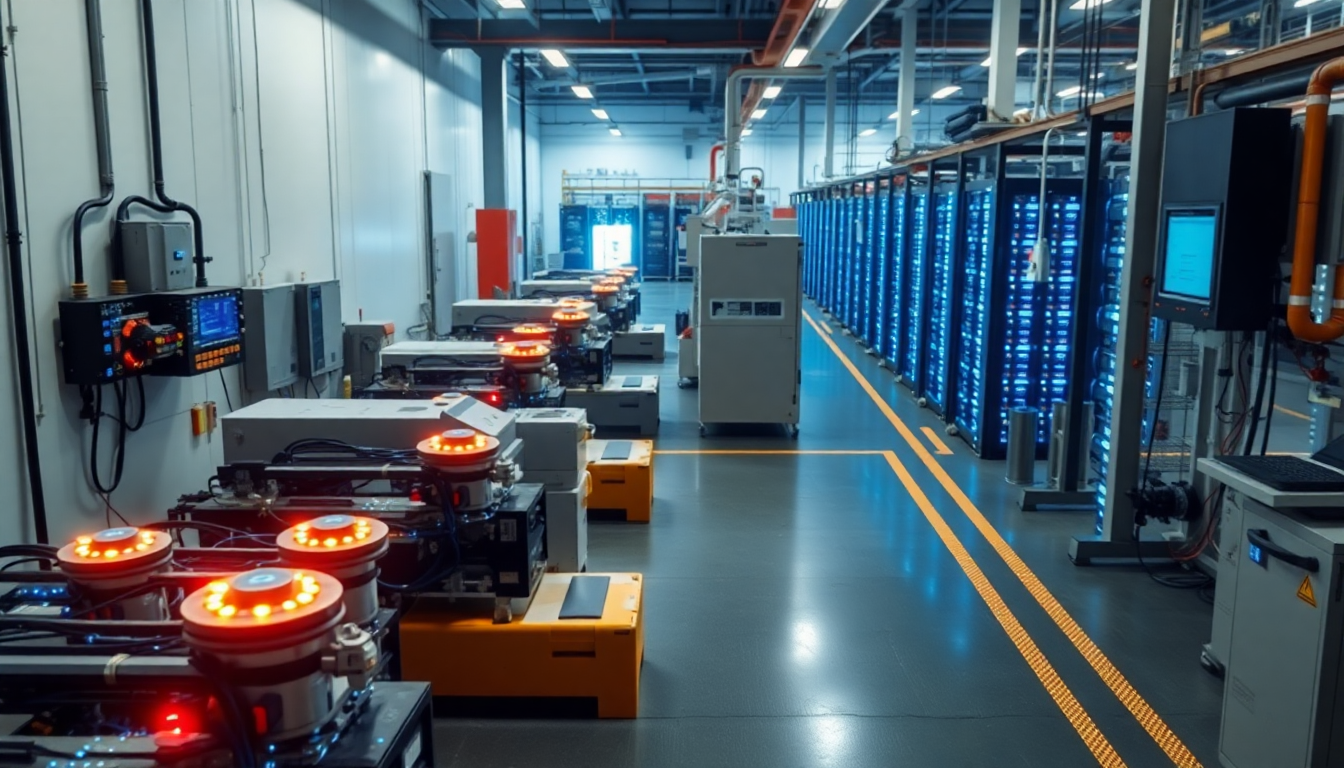
Think of a manufacturing plant with hundreds of sensors on production equipment. Rather than sending every data point to a cloud system hundreds of miles away, edge computing analyzes the sensor data right there on the factory floor. This happens in milliseconds, not seconds.
How it differs from cloud computing
Cloud computing centralizes processing: data travels to remote servers where it is stored and analyzed, then results come back. This works well for batch processing and long-term analytics.
Edge computing distributes it: processing happens locally, and only essential insights or summaries travel to the cloud. This reduces network traffic, cuts latency, and enables instant decisions.
Most real-world systems use both. You might process urgent safety data at the edge, then send aggregated trends to the cloud for historical analysis and machine learning.
Why edge computing matters now
Real-time response. In oil and gas operations, sensor data from drilling equipment must trigger alarms or shut-downs in seconds. Edge processing delivers that speed.
Bandwidth savings. Sending raw sensor streams constantly costs money and clogs networks. Edge filtering reduces what travels upward.
Reliability. If the network goes down, edge devices keep working. Processing doesn’t stop because a cloud connection failed.
Privacy. Sensitive data can stay local. You send only processed results or anonymized insights to central systems.
Common edge computing use cases
- IoT and smart devices. Thermostats, cameras, and industrial sensors make local decisions without constant cloud contact.
- Manufacturing and predictive maintenance. Machines detect vibration or temperature anomalies on-site and alert technicians before failure.
- Autonomous systems. Drones, delivery robots, or vehicles process vision and sensor data locally to navigate and react instantly.
- Retail and logistics. Inventory sensors and checkout systems respond to stock changes in real time.
- Construction and heavy equipment. GPS-enabled machinery and safety monitors track location and operator compliance on job sites.
- Healthcare. Wearable devices monitor vital signs locally and alert medical staff only if thresholds are breached.
Skills you need to work with edge computing
If you want to design, deploy, or maintain edge systems, you’ll benefit from understanding several areas.
IoT fundamentals. Know how sensors and devices connect, collect data, and communicate.
Networking and protocol basics. Familiarity with latency, bandwidth, MQTT, and edge-cloud communication patterns helps you design efficient architectures.
Containerization and orchestration. Many edge systems use lightweight containers (like Docker) and orchestration tools to manage multiple edge devices. Kubernetes knowledge is valuable for larger deployments.
DevOps and CI/CD. Pushing updates to hundreds of edge devices requires automated deployment pipelines and version control.
Data engineering. You need to understand data flows, filtering, and when to send data to the cloud for deeper analysis.
Security awareness. Edge devices are often physically accessible and distributed across remote sites. Knowing how to secure them, manage credentials, and detect tampering is critical.
Starting your edge computing journey
You don’t need a background in software engineering to begin. Start with IoT fundamentals to understand how devices connect and communicate. Learn basic networking concepts. Then explore how containerization (Docker) enables portable applications across edge devices.
Hands-on projects are essential. Set up a Raspberry Pi with sensors, process data locally, and send summaries to a cloud service. Work through real scenarios in your industry: if you’re in manufacturing, model a predictive maintenance system; if in logistics, simulate real-time inventory tracking.
Understanding edge computing positions you well for IoT projects, autonomous systems, and distributed AI applications where local processing matters. As more organizations deploy edge infrastructure to improve response time and cut costs, the demand for people who can design and manage these systems will continue to grow.
Leave a Reply